
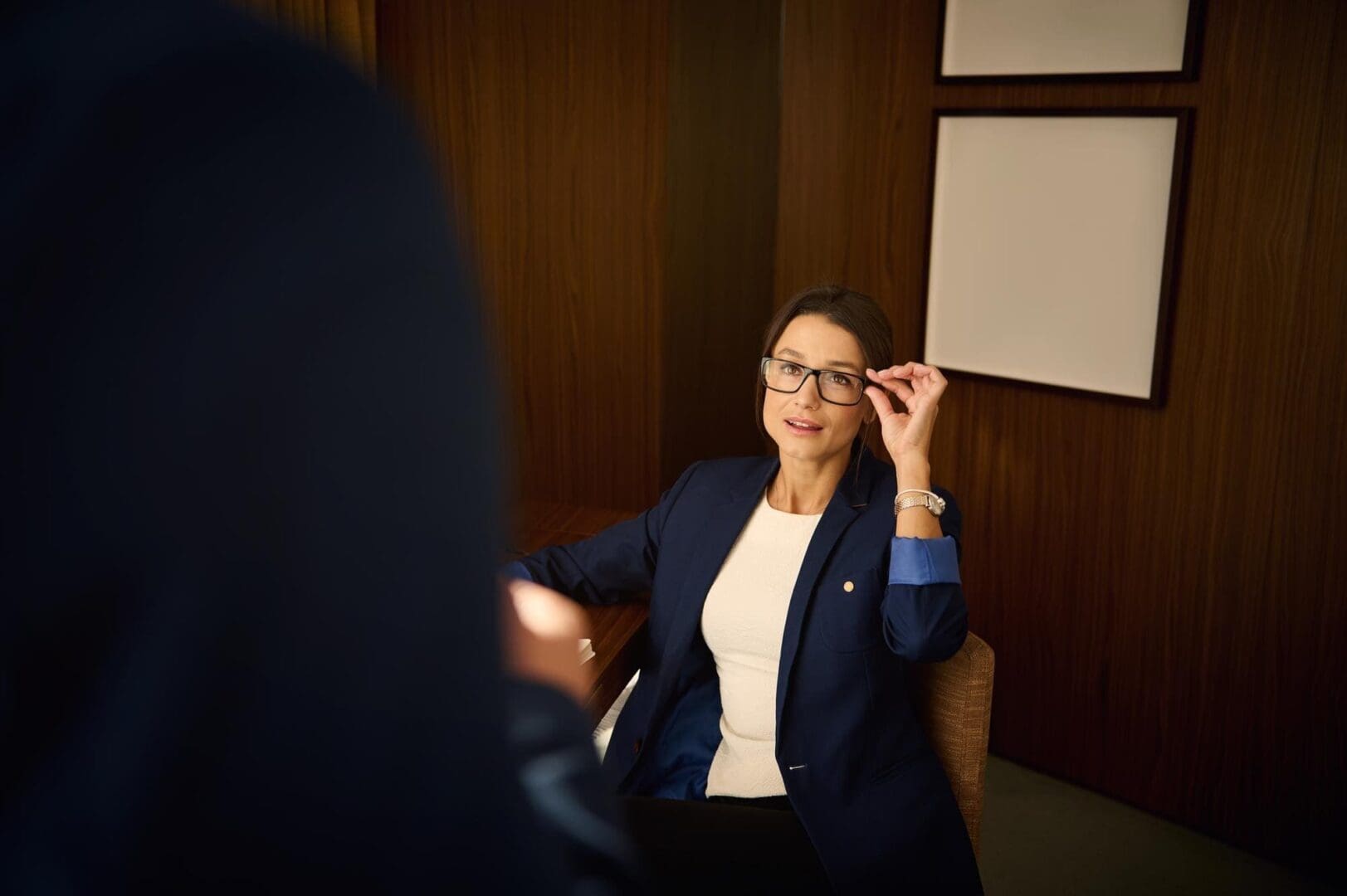
Unlocking Leadership Potential: The Transformative Power of Executive Coaching
Leadership isn’t just about making decisions—it’s about inspiring growth and fostering collaboration. If you’re a corporate executive or aspiring leader, you know the stakes. The good news? Executive coaching can be your game-changer. Through personalized sessions, you’ll sharpen your leadership skills, boost emotional intelligence, and refine decision-making abilities. Ready to elevate your leadership journey? Contact C2H today and explore how our tailored coaching can transform your path to success. Don’t wait—unlock your leadership potential now. Learn more about the importance of executive coaching here.
Power of Executive Coaching

Executive coaching is a powerful tool that offers personalized leadership development experiences. These sessions are designed to enhance various skills crucial for effective leadership. By focusing on individual needs, executive coaching enables leaders to grow in ways that traditional training programs may not address. The insights gained through these tailored sessions can significantly impact an executive’s professional and personal growth.
Personalized Leadership Sessions
Personalized leadership sessions are the cornerstone of effective executive coaching. They provide a customized approach to leadership development, allowing executives to focus on specific areas for improvement.
-
Assessment: Each session begins with an assessment to identify strengths and areas for growth. This personalized evaluation helps in setting clear goals.
-
Goal Setting: Based on the assessment, the coach and executive work together to set achievable goals. This step ensures that the sessions are tailored to the executive’s needs.
-
Action Plan: An actionable plan is developed, outlining steps to achieve the set goals. This plan is revisited regularly to track progress.
-
Feedback and Adjustment: Regular feedback is an integral part of the process. It helps in adjusting strategies to ensure continuous growth and development.
-
Reflection: Time is allocated for reflection on what has been learned, reinforcing the skills and insights gained during each session.
Through this structured approach, personalized leadership sessions provide executives with the tools they need to thrive in their roles. Read more about the significance of executive coaching in leadership development. 🌟
Boost Emotional Intelligence
Boosting emotional intelligence is a key benefit of executive coaching. Emotional intelligence involves understanding and managing one’s emotions, as well as recognizing and influencing the emotions of others. It’s a critical skill for leaders who wish to foster positive work environments and effective teams.
Self-awareness is the first step in enhancing emotional intelligence. Coaching sessions often include exercises and reflections that help leaders understand their emotional triggers and responses. With greater self-awareness, leaders can manage their emotions more effectively, even in high-pressure situations.
Empathy is another critical component of emotional intelligence. Executive coaching helps leaders develop empathy by encouraging active listening and understanding different perspectives. This skill is vital for building strong relationships and promoting collaboration within teams.
Social skills are also a focus of executive coaching. By improving communication and conflict resolution skills, leaders can navigate complex interpersonal dynamics more effectively.
Overall, boosting emotional intelligence through executive coaching leads to more effective leadership, improved team dynamics, and a healthier organizational culture. Explore how emotional intelligence enhances leadership performance. 🌟
Emotional Intelligence in Leadership

Emotional intelligence is crucial for effective leadership. It encompasses the ability to recognize, understand, and manage our own emotions and those of others. Leaders with high emotional intelligence are better equipped to handle challenges in the workplace, leading to more effective decision-making and communication.
Enhancing Decision-Making Skills
Enhancing decision-making skills is a primary goal of executive coaching. Leaders are often faced with complex decisions that require careful consideration and strategic thinking. Emotional intelligence plays a vital role in this process.
Analytical Thinking: Decision-making requires a balance of analytical and emotional thinking. Coaching helps leaders develop the ability to analyze situations logically while considering the emotional impact of their decisions.
Emotional Regulation: Leaders learn to manage their emotions to prevent them from clouding judgment. This regulation ensures that decisions are made based on facts and strategic goals rather than emotional responses.
Risk Assessment: Coaching sessions often include exercises in risk assessment, helping leaders weigh potential outcomes and make informed decisions.
By focusing on these areas, executive coaching enhances leaders’ ability to make decisions that align with organizational goals and values. Learn more about the impact of emotional intelligence on decision-making. 🌟
Building Effective Communication
Effective communication is a hallmark of great leadership. It involves not only conveying information clearly but also listening and responding to others with consideration and empathy. Executive coaching emphasizes the development of these skills to improve leadership effectiveness.
Active Listening: Leaders are encouraged to practice active listening, which involves fully engaging with the speaker and understanding their perspective. This practice strengthens relationships and fosters trust.
Clear Messaging: Coaching helps leaders refine their communication style, ensuring messages are clear, concise, and impactful. This clarity reduces misunderstandings and aligns team efforts.
Feedback Culture: Creating an environment where feedback is welcomed and acted upon is another focus. Leaders learn to give constructive feedback and encourage open dialogue within their teams.
Non-Verbal Communication: Understanding the impact of body language and tone of voice is also addressed. Leaders gain insights into how non-verbal cues can reinforce or undermine their spoken words.
Overall, building effective communication skills through executive coaching enhances team collaboration and drives organizational success. Discover strategies for effective leadership communication. 🌟
Elevating Leadership Development

Elevating leadership development involves a comprehensive approach to nurturing leaders’ skills and capabilities. Through executive coaching, leaders receive the support and guidance needed to excel in their roles and drive organizational success.
C2H’s Tailored Coaching Approach
C2H offers a tailored coaching approach designed to meet the unique needs of each leader. This personalized method ensures that executives receive the attention and resources necessary to achieve their development goals.
-
Initial Consultation: C2H begins with an in-depth consultation to understand the leader’s background, challenges, and objectives.
-
Customized Plan: Based on the consultation, a customized coaching plan is developed. This plan includes specific strategies and exercises tailored to the leader’s needs.
-
Ongoing Support: C2H provides continuous support through regular sessions, ensuring leaders stay on track with their development goals.
-
Progress Evaluation: Regular evaluations help measure progress and make necessary adjustments to the coaching plan.
-
Final Review: At the end of the coaching program, a final review assesses the leader’s growth and outlines next steps for continued development.
This tailored approach ensures that leaders receive the guidance and support needed to excel in their roles and contribute positively to their organizations. Learn more about how C2H can enhance your leadership skills. 🌟
Impact on Organizational Performance
The impact of executive coaching on organizational performance is significant. By investing in leadership development, companies can see improvements in various areas, leading to overall success.
Employee Engagement: Engaged leaders create a positive work environment that motivates employees. Executive coaching helps leaders inspire and engage their teams, resulting in higher productivity.
Retention Rates: Organizations with effective leadership see lower turnover rates. Coaching helps leaders develop skills to support and retain their employees.
Innovation and Growth: Leaders who undergo coaching are often more open to new ideas and strategies, fostering a culture of innovation.
Financial Performance: Ultimately, strong leadership translates to better financial performance. Companies with well-coached leaders tend to outperform their competitors.
By focusing on these outcomes, executive coaching proves to be a valuable investment for any organization seeking to enhance its performance. 🌟
Hashtag Inspiration: #C2H #ConnectingHeads2Hearts #LeadershipImpact #MissionFirstPeopleAlways 🌟
